Tungsten carbide, here meaning sintered tungsten carbide bonded with cobalt, is a material used across almost every industry. Its most notable application, however, is as cutting tools, such as inserts, drills, and end mills. Why is carbide so widely preferred for cutting applications compared with other materials? We'll explain the reasons in detail.
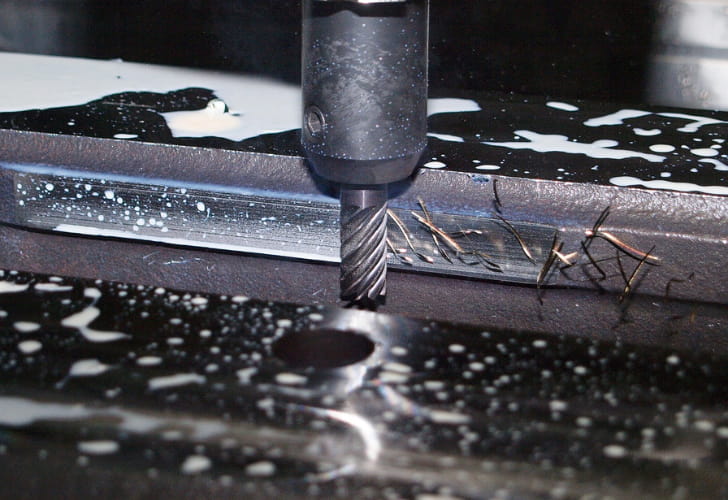
(Image Source: Photo by gefrorene_wand on pixabay.com)
1. Superior wear resistance & durability
Tungsten carbide is far harder and more abrasion-resistant than conventional high-speed steel. That hardness lets the cutting edge keep its geometry and sharpness through far more cuts, so carbide tools retain cutting performance for a much longer time under the same working conditions.
Longer edge life brings immediate practical benefits: fewer tool changes, less machine downtime, and lower spending on replacement tooling. Although carbide tooling usually costs more upfront, the extended service life and higher productive cutting time make it a more economical choice over the life of the tool, especially in demanding material-removal applications where abrasion and heat accelerate wear.
2. Faster cutting at high temperatures & sustained cutting performance
Carbide's retained hardness at elevated temperatures is what enables much higher cutting speeds than high-speed steel. Because the tool material does not soften as the cutting zone heats up, manufacturers can take heavier or faster cuts and remove material more quickly without losing edge geometry. The result is higher productivity and quicker precision finishing, improved throughput without sacrificing dimensional accuracy or surface quality. This heat stability is a core reason carbide is chosen for high-speed machining.
3. High hardness & cuts very tough materials
Carbide's extreme hardness gives it a clear advantage over HSS when the workpiece gets hard or abrasive. When machining hard steels (commonly up to roughly 60 HRC), carbide is the right choice where steel tools would blunt quickly. Carbide tooling is widely applied on carbon steels, stainless steels and on difficult alloys (nickel-base, titanium, etc.), because it resists deformation and edge breakage under high cutting forces.
4. Very sharp & excellent cutting results
Carbide tools hold a sharper edge than steel, so they cut cleaner and leave smoother surfaces. Because the tool geometry stays intact for longer, parts come off the machine with finer finishes and tighter dimensional control. That sharpness, combined with carbide's strength at elevated temperatures, keeps cutting consistent even under heavy or fast cuts, a key factor when precision surface quality matters.
5. Cuts special materials & survives harsh conditions
Carbide is the practical choice when the workpiece or job is outside the comfort zone of steel. For example, carbide-tipped masonry bits will penetrate concrete and its abrasive aggregate easily, an application where HSS simply won't keep up. Beyond abrasion, carbide's resistance to oxidation and chemical attack helps tooling survive in aggressive or harsh environments. That combination, the ability to cut unusually hard or gritty materials plus better corrosion resistance, makes carbide ideal for special-purpose tools and demanding operating conditions.
Conclusion
Carbide stands out as a cutting material because it delivers what modern machining demands: long-lasting wear resistance, reliable performance at high temperatures, the ability to cut hard and abrasive materials, consistently sharp edges, and suitability for special applications where other tool materials fall short. These advantages translate directly into higher productivity, better surface quality, and lower overall tooling costs.
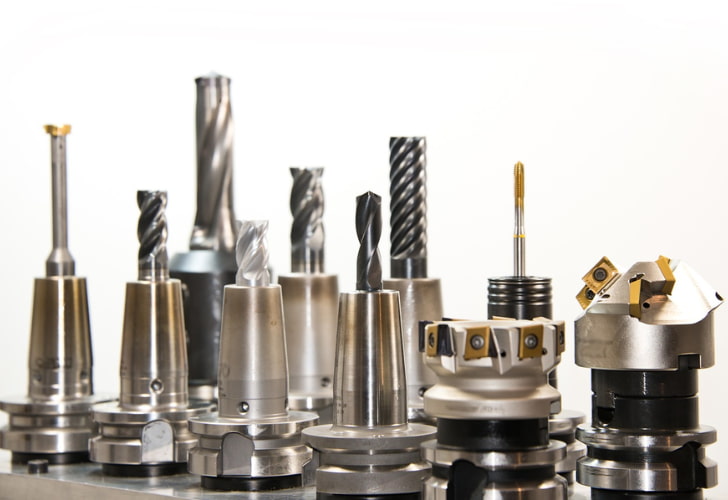
(Image Source: Photo by blickpixel on pixabay.com)
Now that you know why carbide is such an effective cutting tool material, take a look at our list of top carbide metal-cutting tool suppliers to find the right partner for your needs.